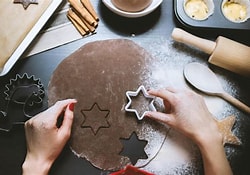
Intro to Baking
Baking is a popular hobby that many people enjoy because it is both fun and creative. It allows you to turn simple ingredients like flour, sugar, eggs, and butter into something delicious.
Whether you are making cookies, cupcakes, or bread, baking gives you a chance to try new recipes and experiment with different flavors. It can also help you build confidence as you learn new skills and improve over time.
Even small successes, like getting the perfect texture or taste, can feel really rewarding and encourage you to keep going.
Another reason people like baking is because it can be relaxing and satisfying. Following a recipe step by step helps you focus and take a break from stress or busy schedules.
Many people also enjoy baking because they can share their food with friends and family, which makes it more meaningful. Baking is also a useful skill to have, since it can be used for everyday treats or special occasions like birthdays and holidays.
Overall, baking is not just about food—it's a creative and enjoyable activity that brings people together and can turn into a lifelong hobby.
Essential Baking Ingredients
The Foundation of Every Recipe
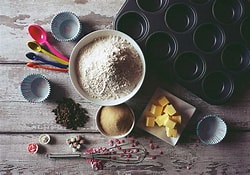
The key to good baking lies in understanding your ingredients. Flour provides structure, sugar adds sweetness and helps browning, fats like butter and oil add tenderness, and eggs provide richness and stability.
When combined correctly, these ingredients work together to create the foundation for baked goods we know and love. Even the smallest mismeasure—too much flour or not enough butter—can change texture or flavor dramatically.
Always use fresh ingredients and measure them accurately. Many bakers prefer weighing ingredients for the best results. Also pay attention to the role of different flours: all-purpose for cakes, bread flour for chewy loaves, and pastry flour for delicate crusts.
Understanding the science of your ingredients transforms baking from guesswork into mastery.
Baking Techniques Every Beginner Should Know
Mixing Methods and Timing
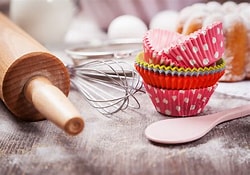
Mixing techniques determine texture. Creaming butter with sugar incorporates air for fluffy cakes; folding gently keeps batters light, while kneading develops gluten for structured breads.
Practice each method to get a feel for how doughs and batters should look and move—these subtle differences separate beginners from confident bakers. The right technique ensures balance between tenderness and structure.
Temperature matters too: ingredients at the right temperature combine better, affecting flavor and rise. Cool butter for flaky crusts, room-temperature eggs for smooth batters. Timing matters—overmixing can make baked goods dense or tough.
With each recipe, consistency improves through focus and sensory memory. Baking is about awareness and patience as much as ingredients.
Essential Baking Equipment
Tools That Make Baking Easier
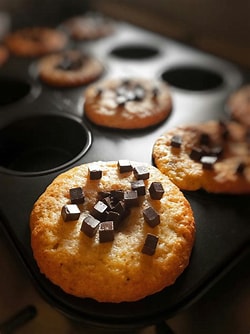
Every baker needs reliable tools: mixing bowls, a sturdy whisk, spatulas, measuring cups, and a dependable oven. A stand mixer can save time, but even with simple hand tools you can produce professional results.
The key is precision and maintenance—keep your tools clean, dry, and properly stored. Understanding what each tool does helps make your workflow effortless.
Baking sheets, cake pans, and cooling racks may seem like small details, but they affect how evenly your goods bake and cool. Always preheat your oven and use an oven thermometer for accuracy.
Pairing the right tools with proper techniques guarantees quality every time you bake.